A modern queue management system in Saudi Arabia has quietly become one of the most valuable customer-experience upgrades a bank, clinic, or government service centre can make in 2026. As Vision 2030 pushes public and private services toward faster, digital-first delivery, waiting in a disorganised line now feels out of step with what Saudi customers expect. Smart queuing turns a chaotic waiting hall into a measured, data-rich flow that respects people’s time.
In this guide I draw on hands-on deployments across retail, healthcare, and telecom counters to explain how these systems actually work, what hardware and software you need, and how to choose a solution that scales. If you are evaluating vendors this year, you will finish this article knowing exactly which specifications and metrics matter most.
Why a Queue Management System in Saudi Arabia Matters in 2026
Saudi Arabia’s service sector is expanding fast, and footfall in banks, telecom shops, and municipal offices keeps rising. When lines are unmanaged, customers leave, staff burn out, and complaints climb. A structured queuing platform fixes all three problems at once.
The payoff is measurable. Organisations that deploy digital queuing routinely report shorter perceived wait times, higher counter productivity, and cleaner data for staffing decisions.
The business outcomes that move the needle
- Lower walk-away rates because customers can sit, relax, or step out and still keep their place.
- Balanced counter loads, so no single agent is overwhelmed while others sit idle.
- Arabic and English bilingual displays and tickets that suit the local audience.
- Live dashboards that show wait times, service times, and peak hours in real time.
How Does a Smart Queue Management System Actually Work?
At its core, the system replaces the physical scramble with a fair, first-in-first-out flow. A visitor takes a ticket, joins a virtual line, and gets called to the right counter when their turn arrives.
The intelligence lives in the routing logic. Instead of one long line, the software segments visitors by service type, priority, or appointment and directs each person to the best-suited agent.
The journey from ticket to counter
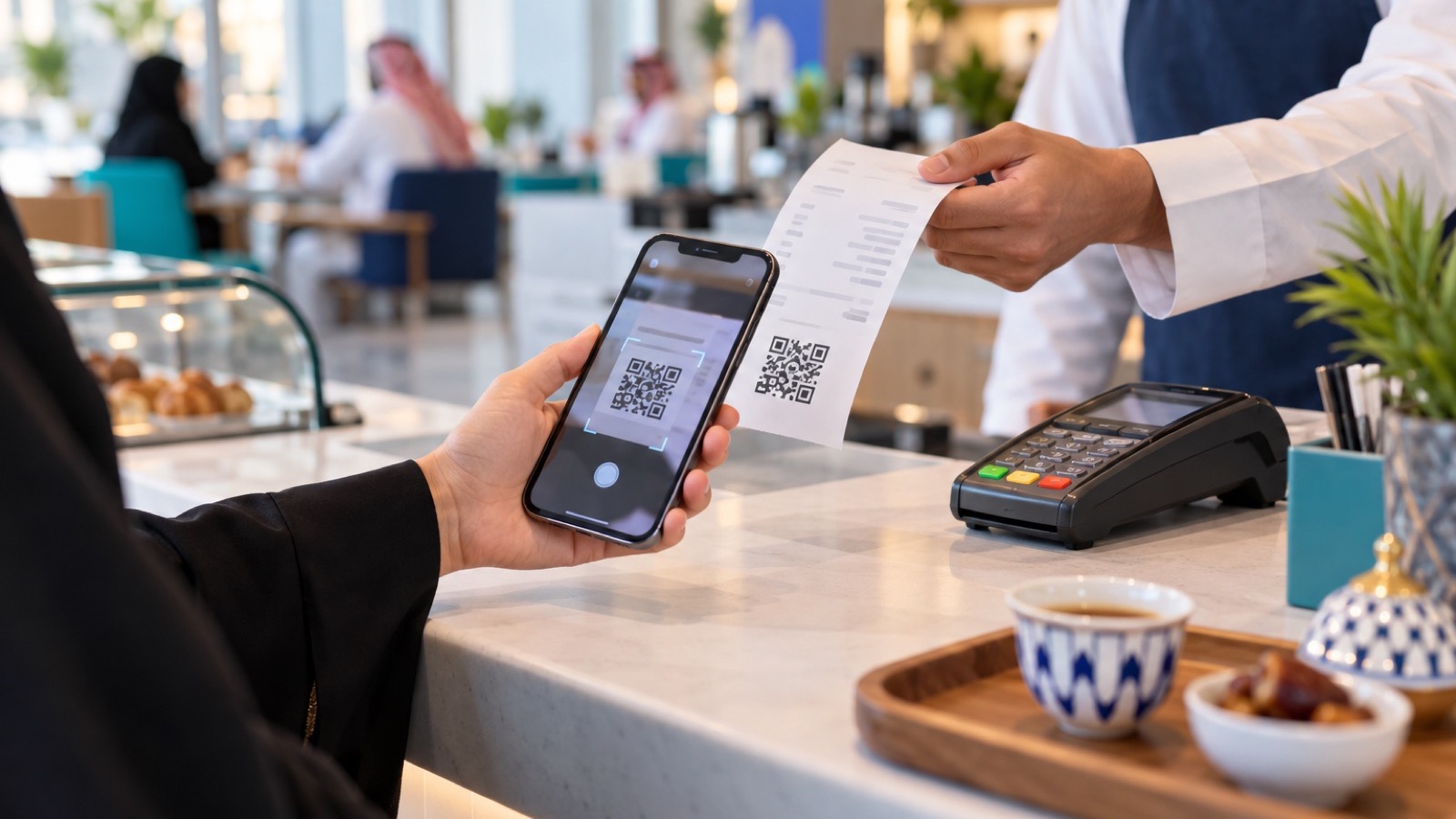
- A customer selects a service on a kiosk or scans a QR code on their phone.
- The system issues a numbered ticket and estimates the wait.
- Digital signage and audio announcements call each number in turn.
- The agent serves the customer while the platform logs service time.
- An optional survey captures feedback the moment service ends.
Because everything is timestamped, managers gain a precise view of where bottlenecks form. For teams that want the rollout handled end to end, working with dependable specialists shortens the path from purchase to a fully tuned system.
Core Components: Hardware and Software You Need
A complete deployment blends physical devices with a central software brain. Getting the mix right keeps costs sensible while covering every touchpoint.
Below is a practical comparison of the main components and what each one delivers on the floor.
| Component | Function | Typical Placement | Priority |
|---|---|---|---|
| Self-service kiosk | Ticket printing and service selection | Entrance / lobby | Essential |
| Digital signage display | Shows called numbers and counter routing | Waiting area | Essential |
| Counter/agent terminal | Calls next visitor, logs service data | Service desks | Essential |
| Central management software | Routing logic, analytics, reporting | Cloud or on-premise | Essential |
| Mobile/virtual queuing | QR ticketing and SMS turn alerts | Customer phone | Recommended |
| Feedback tablet | Post-service satisfaction survey | Exit / counter | Optional |
Integration with your existing tools
The best platforms connect to your CRM, appointment booking, and telecom hardware. That means a customer who booked online is recognised on arrival and routed instantly, with no re-registration required.
Secure identity checks matter too, especially in banking and government service centres. Many Saudi deployments pair the queue with biometric verification such as fingerprint capture; you can review Finger scanner devices prices in pakistan to gauge realistic hardware budgets before you spec a project.
Choosing the Right Vendor and Configuration
Not every business needs the same setup. A single-branch clinic has very different requirements from a nationwide telecom retailer with hundreds of counters.
Start by mapping your peak-hour footfall, your service categories, and whether you need on-premise or cloud hosting. Then match those needs to the vendor’s proven capacity.
Questions to ask every vendor
- Does the system support Arabic-first interfaces and right-to-left displays?
- Can it scale from one branch to many without a rebuild?
- What analytics and SLA reporting come standard?
- Is remote support available in the Kingdom’s time zone?
For a broader picture of hardware and software options tailored to the region, explore the full queue management system in saudi arabia lineup, which covers kiosks, signage, and centralised control in one place.
Measuring Success: The Metrics That Prove ROI
Once live, your system becomes a source of continuous improvement. Track the right numbers and you can justify every riyal spent.
Global research underscores the impact of experience design. According to McKinsey insights, reducing customer effort is one of the strongest drivers of loyalty, and standards bodies such as the ISO emphasise consistent, measurable service quality.
Key performance indicators to watch
- Average wait time versus your service-level target.
- Average handling time per service category.
- Abandonment rate before being served.
- Staff utilisation across counters and hours.
- Post-service satisfaction score.
Treat these numbers as a weekly ritual, not a one-off report. Small, steady adjustments to staffing and routing compound quickly, and within a few weeks the difference in wait times becomes obvious to both staff and customers.
Frequently Asked Questions
How much does a queue management system in Saudi Arabia cost?
Pricing depends on the number of counters, whether you choose cloud or on-premise hosting, and add-ons like mobile ticketing. A small single-branch setup is modest, while multi-branch enterprise rollouts scale with the hardware and licences involved.
Can it work in Arabic and English at the same time?
Yes. Leading systems offer full bilingual tickets, kiosks, and signage, with right-to-left Arabic layouts that feel native to local customers.
Does the system integrate with appointment booking?
Most modern platforms link directly to online booking and CRM tools, so pre-registered customers are recognised on arrival and routed without repeating any steps.
How long does a typical deployment take?
A single branch can go live within days once hardware arrives. Larger, multi-site projects usually run over a few weeks to allow for network setup, staff training, and tuning.
Conclusion: Turn Waiting Into a Competitive Edge
A well-chosen queue management system in Saudi Arabia does far more than shorten lines. It gives you the data to staff smarter, the tools to serve faster, and the experience that keeps customers coming back in 2026 and beyond.
If you are ready to modernise your waiting halls, map your footfall, shortlist a vendor with proven regional deployments, and request a demo this quarter. The sooner you measure your queues, the sooner you can improve them.